Who Should Do Low Pressure Fitness? My Top 10 List
I became a Low Pressure Fitness instructor in 2019. Since that time, I have used Low Pressure Fitness in both clinical and wellness settings. I personally love this practice and I have witnessed the many positive effects that the practice has had on my clients too. I truly think almost all women would benefit from LPF. However, I also recognize that not everyone loves it as much as I do.
If you’re new to the concept of Low Pressure Fitness and Hypopressive Excercise, read more on my “What Is Low Pressure Fitness? Benefits, Hypopressives & How It Works” Blog Post.

I have come to understand that hypopressives can be a bit controversial in the pelvic health space.
I believe some of the controversy surrounding hypopressive exercise comes from a few different factors. First, the technique can look intense or extreme from the outside, even though the practice itself is quite gentle. Second, while many practitioners and clients report positive results, we still don't fully understand the mechanisms behind its potential benefits. Finally, as with any emerging approach, there can be some hesitation around embracing a practice that isn't yet fully understood or supported by extensive research.
We also need to acknowledge that those of us who love hypopressive exercise may have contributed to the controversy. Sometimes we may present theories about how it works as established facts, or make it sound like the answer to every pelvic health problem. Most of us understand that the reality is more complicated, but social media doesn't always make it easy to communicate that complexity.
I have to admit that many of the conditions that I recommend hypopressive exercises for also respond to other methods. Over the years, I have come to understand that, for many women, what helps THEM is a matter of preference. We can argue all day about which method is supported by the evidence, but at the end of the day you have to enjoy the approach, otherwise you won’t do it. It has to make you feel good in your body.
One of my biggest goals is that women know that hypopressive exercise and Low Pressure Fitness exist as an option for them. I am under no delusion that everyone will jump at the chance to integrate this practice into their lives. However, there are groups of women that I believe should really consider trying it.
10 Groups of People Who Could Benefit from Low Pressure Fitness: Based on My Clinical Experience
Every Postpartum Mama
You have thousands of online programs to choose from when it comes to postpartum rehab. But here is the #1 reason I love Low Pressure Fitness for this population; it’s efficient. 10-15 minutes a day gets you a whole lot of bang for your “time” buck. The breath work calms your nerves, while the hypopressive maneuver gently lifts your pelvic floor, activates your abs and elevates your organs. The positions restore your posture and leave you standing tall and feeling confident. Other programs require at least a dozen separate, disjointed exercises to do the same thing. There are many postpartum recovery programs available, so I don't believe Low Pressure Fitness is a must for everyone. However, if you're short on time, aren't drawn to traditional postpartum exercises, or identify with some of the other conditions on this list, it may be worth exploring. Read about how Low Pressure Fitness brought ease to my postpartum recovery here.
People with Endometriosis
I wrote an entire separate blog on why I believe Low Pressure Fitness Hypopressives can be beneficial for those with endometriosis. However a brief summary is this, endometriosis often impacts the pelvic floor, but also influences the whole body. Training the pelvic floor in isolation may not be the best option for those with endometriosis and additional benefits may be gathered from Low Pressure Fitness which influences the whole system.
Painful Bladder Syndrome or Interstitial Cystitis
I started writing this section and actually ended up with an entire blog post which you can read here. To summarize though, bladder pain is often influenced by the state of your abdominal fascia. If your abdominal fascia is tight, it can significantly increase your bladder pain. This potential factor is often overlooked and I have found Low Pressure Fitness can be a pathway to relief for those with bladder pain.
Postural Pain
There are several different approaches that you can take to strengthen your posture. However, I have found that not many of these methods actually train your body to hold a neutral posture for a sustained period of time. In my days as a new physical therapist, I often encouraged patients to do postural exercises in an endurance rep scheme (think high reps at low weight), but in retrospect that seems silly because that is not how your muscles have to perform to sustain your posture!
The Low Pressure Fitness postures are very intentionally designed to help your body learn how to find and sustain a neutral posture. I personally have found significant relief for chronic neck pain after implementing this practice and have seen many clients who report significant decrease in low back pain after becoming dedicated to their Low Pressure Fitness practice.
Hypermobility & Chronic Pain
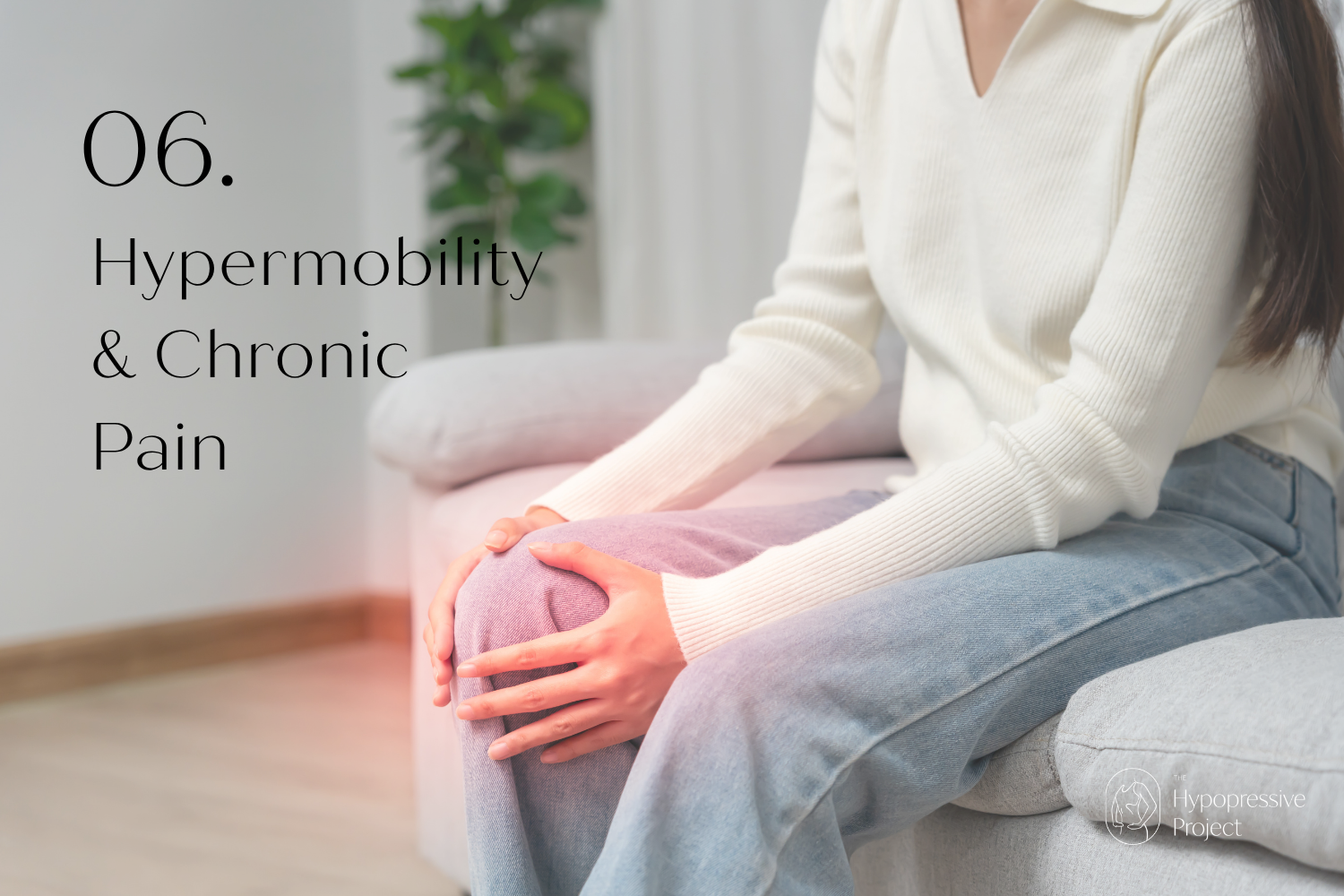
Strength training for those with hypermobility can be tricky. Most people with hypermobility are challenged to control their joints because they don’t get as much support from their ligaments and tendons as a “normal” person. Increasing muscle strength can help compensate for this decreased support from other structures and can be incredibly beneficial for those with hyper mobility. However, the catch is that most strengthening exercises utilize movement at one joint while requiring other joints to remain still. Keeping the other joints still can be really challenging for those with hypermobility. I have heard over and over from patients that they consistently hurt themselves while trying to perform typical strength training exercises.
One of the places that Low Pressure Fitness shines is in postural control. I truly believe that the first level of strengthening for those with hypermobility should be having the strength to maintain posture in a neutral position to decrease stress on the joints. I do not think this is the finish line, but I do think it is a necessary prerequisite. If you have tried other forms of strengthening in the past, but have had to discontinue due to injury, Low Pressure fitness can be an excellent starting point.
Painful Periods
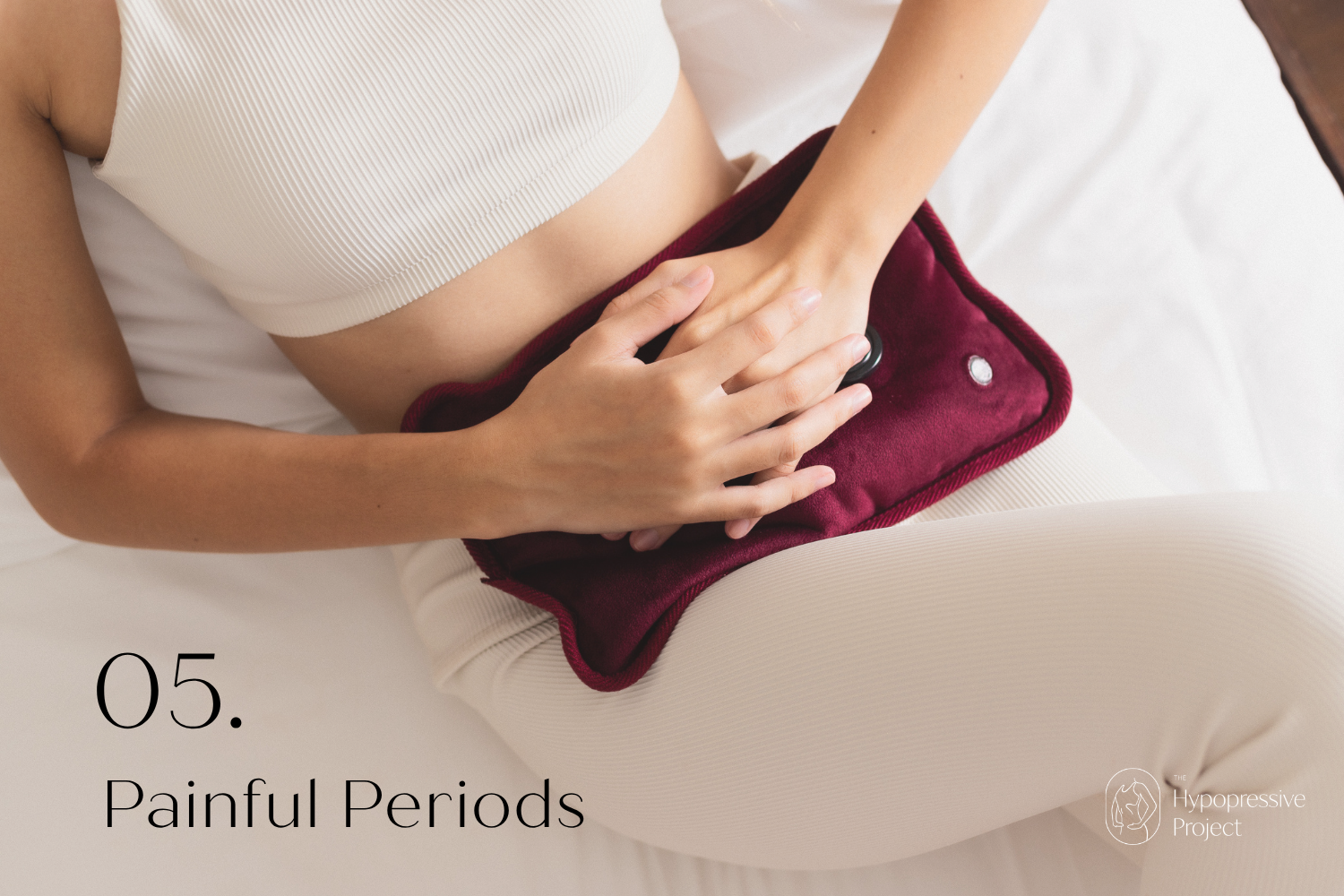
I believe that the regularity and ease of menstruation is a powerful vital sign for women. Painful periods are incredibly common. However, they should not be the norm. I believe that they are often a strong cue from our body to pay attention to what is going on. Societally, we often are encouraged to repress this information with hormonal birth control. However, if we take a deeper look, we can often determine the potential cause and decrease the symptoms without the side effects of the pill. Period pain often has several potential contributing factors including hormonal imbalance and general inflammation. However, one that may be underdiscussed is pelvic floor or abdominal tightness.
Your uterus shares close connective tissue ties with both your pelvic floor and abdomen. If these structures lack mobility, it can contribute to the sensation of hormonal cramps. Sometimes escalating a normal mild cramping sensation into a genuinely excruciating experience.
Many women experience period pain from a young age. However, not all young women may be willing to undergo a pelvic floor examination that would be required to determine the extent of the pelvic floor's contribution to these symptoms. I believe that for this population, Low Pressure Fitness could be potentially game changing as it can address restriction in the core and pelvic floor in a none-specific way that is generally beneficial, without the stress or discomfort of undergoing a pelvic floor evaluation.
Diastasis Recti & “Mommy Tummy”
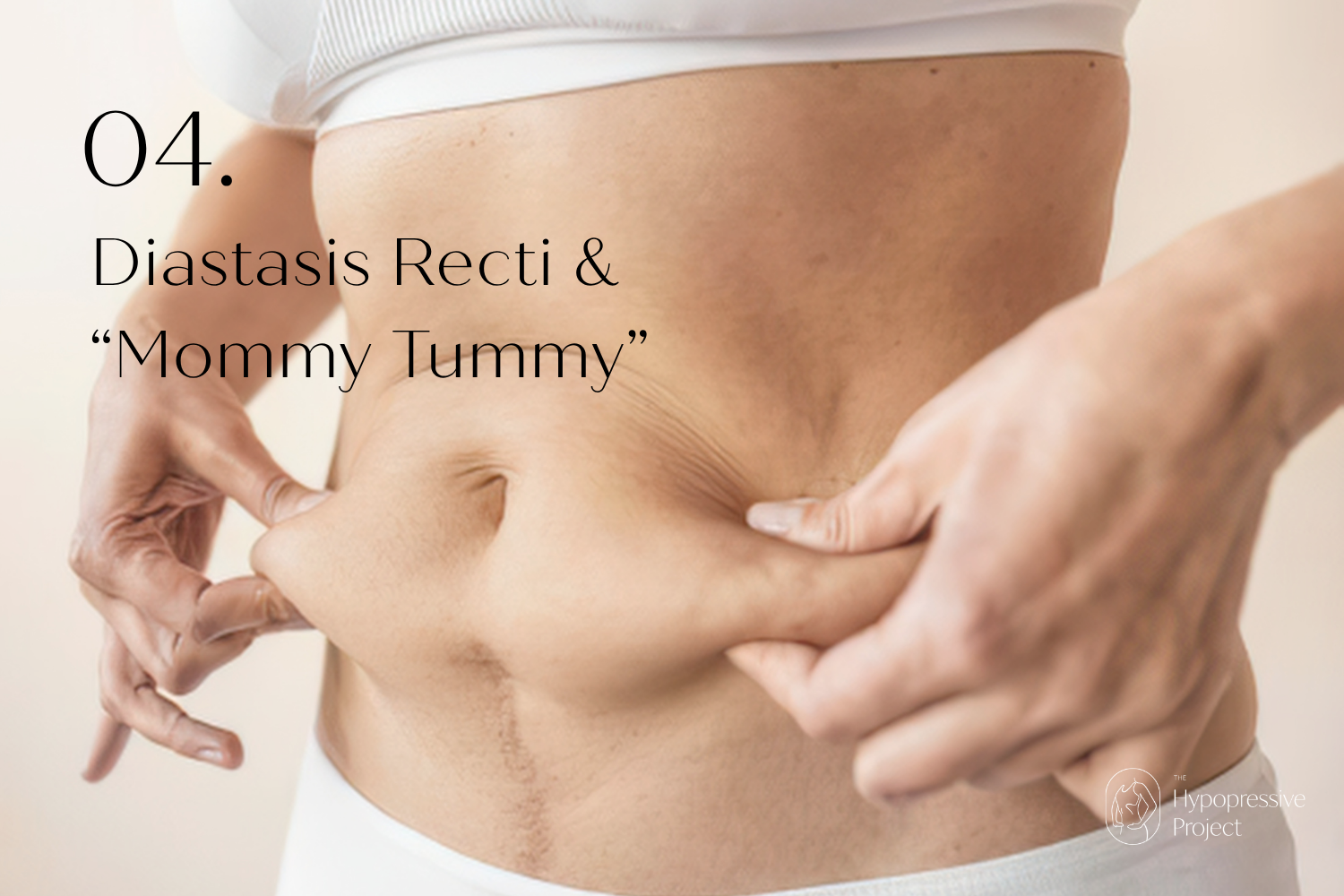
I have written a separate blog post about why I believe the hypopressive maneuver is one of the best overall exercises for diastasis recti. Here is the one line summary: the hypopressive maneuver works to both increase tension at the midline AND decrease interrecti distance. If you are unsure what that means I would check out the blog post.
Additionally I believe that cases of “mommy tummy” that are not due to abdominal separation, are often due to posture.
(See my client’s before and after picture below)
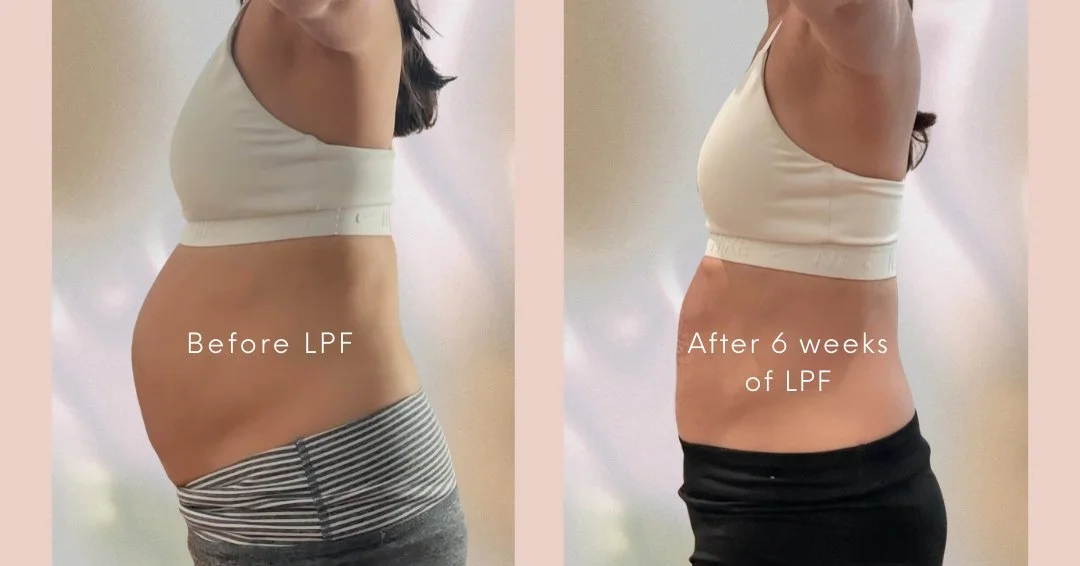
Low Pressure Fitness works to address both in an incredibly efficient way, while respecting the pelvic floor, which isn’t always the case in ab-focused programs. There are multiple ways to address this concern, which is why this isn’t ranked higher, but I do truly think this Low Pressure Fitness shines in this area.
Incontinence with Concurrent Pelvic Pain
When we think about urinary incontinence, we often assume the pelvic floor muscles are weak and need to be strengthened. As a result, pelvic floor contractions, commonly known as Kegels, are frequently recommended as a treatment. However, weakness isn't always the cause of incontinence, and Kegels aren't the right solution for everyone. For more on this, check out my blog post, “Why Kegels Aren't Helping Your Incontinence and What to Do Instead.”
Pelvic pain, on the other hand, is often associated with pelvic floor tightness, with the typical recommended treatment being manual therapy and “down training” which often involves learning how to relax or lengthen your pelvic floor.
So in other words, the baseline treatment for these two conditions are opposing. I think that many novice pelvic PT’s truly struggle in this area. Most seasoned pelvic PT’s have their favorite strategy to navigate this conundrum. I personally love Low Pressure Fitness for this population. The breath work component of the practice encourages lengthening and fascial release of the pelvic floor and surrounding tissues, while the hypopressive maneuver encourages strengthening of the pelvic floor without facilitating clenching. LPF meets your pelvic floor wherever it is at, which can be a game changer for people that are living with both incontinence and pelvic pain.
Following Abdominal or Pelvic Surgery
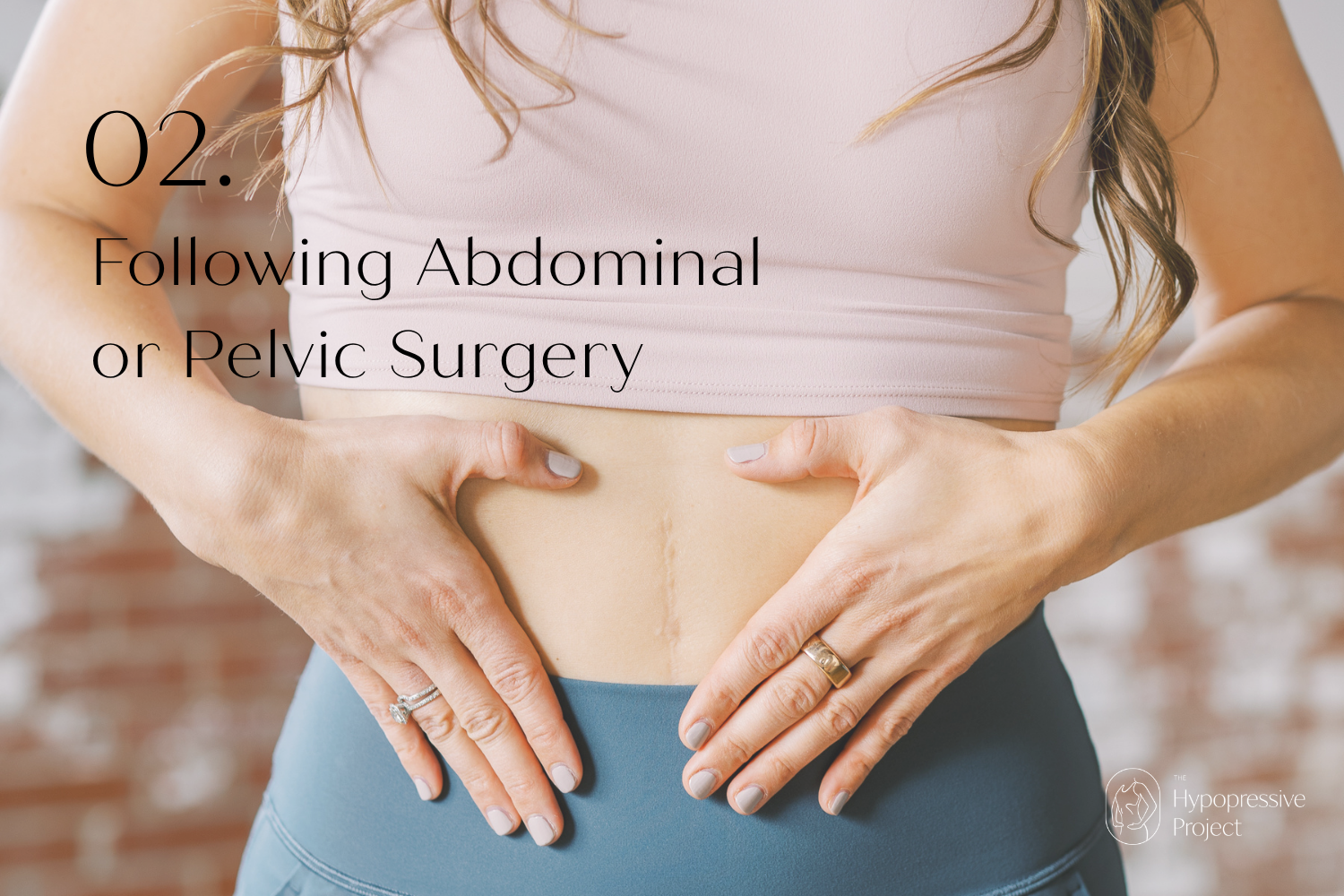
This is a population that is near and dear to my heart as this is the issue that brought me to hypopressive exercise. Read about my journey to hypopressives here. Rehabilitation following abdominal surgery has not traditionally been recommended, as the medical focus tends to be on the organ operated on. Whenever abdominal surgery involves an incision through the abdominal wall, it can affect more than just the organ being operated on. The surrounding muscles and connective tissues are also involved, and scar tissue can form as part of the healing process. In some cases, scar tissue may affect tissue mobility and contribute to ongoing abdominal discomfort or other symptoms. Depending on the type of surgery and the tissues involved, some people may also experience changes in digestive or reproductive function. I personally suffered from chronic abdominal pain for nearly 5 years before finding relief with Low Pressure Fitness. It is my greatest hope that other women do not have to suffer as long as I did. The most powerful part about Low Pressure Fitness is that it can be learned and performed independently, giving you full autonomy over your symptoms. I believe that hypopressive exercise should be given as a rehabilitative option whenever your abdomen is cut through. This includes, but is not limited to: C-sections, laparoscopy for any reason, and hysterectomies.
Pelvic Organ Prolapse
I will say it over and over again: If you have not yet tried hypopressive exercise for your pelvic organ prolapse you are leaving a HUGE amount of potential improvement on the table. Hypopressive exercise is the only thing that I am aware of that can actively change the position of your pelvic organs. There is some debate about why this happens, but I can tell you with absolute certainty that it can happen. Most other treatments, pessary, passive elevation of hips, avoiding activity, even surgery are passive in nature, so if you are really looking to do something about your prolapse, this is it. I had a mild prolapse develop after my abdominal surgery and moderate prolapse after giving birth to my daughter, but I am completely symptom free thanks to Low Pressure Fitness. I truly cannot recommend it enough.
How to get started with Low Pressure Fitness.
HYPOPRESSIVE EXERCISE ONLINE CLASSES
I teach several live classes a week. I highly recommend that you start with an “Intro to LPF: Breath” class if you are able!
HYPOPRESSIVE ONLINE COURSES
If live classes simply are not in the cards for you during this season I have 2 different online courses that contain everything that you need to implement Low Pressure Fitness hypopressive exercise. Core Shift is my original course that walks you through the practice step by step. IGNITE is a 30 day challenge program. Honestly both courses are great and which one you choose is a matter of preference.
THE HYPOPRESSIVE PROJECT ONLINE MEMBERSHIP
If you are looking for a way to support your body through movement, breath, and intentional practice, I would love to invite you to: The Hypopressive Project All Access Membership. I created this membership to be a comprehensive and accessible resource where you can learn, practice, and grow your hypopressive exercise journey at your own pace. Whether your goals are improving how you feel in your body, building confidence, supporting your core, or exploring aesthetic changes in a way that honors your body, you are welcome here.
My hope is that this practice helps you feel stronger, more connected, and more confident in the body you already have. I would be honored to have you join me in The Hypopressive Project.
I hope to see you in class soon!