My Journey to Low Pressure Fitness Hypopressives
It was December 2015, four weeks after my abdominal surgery. I sat in an oncologist office.
“Good news, it’s not cancer!”
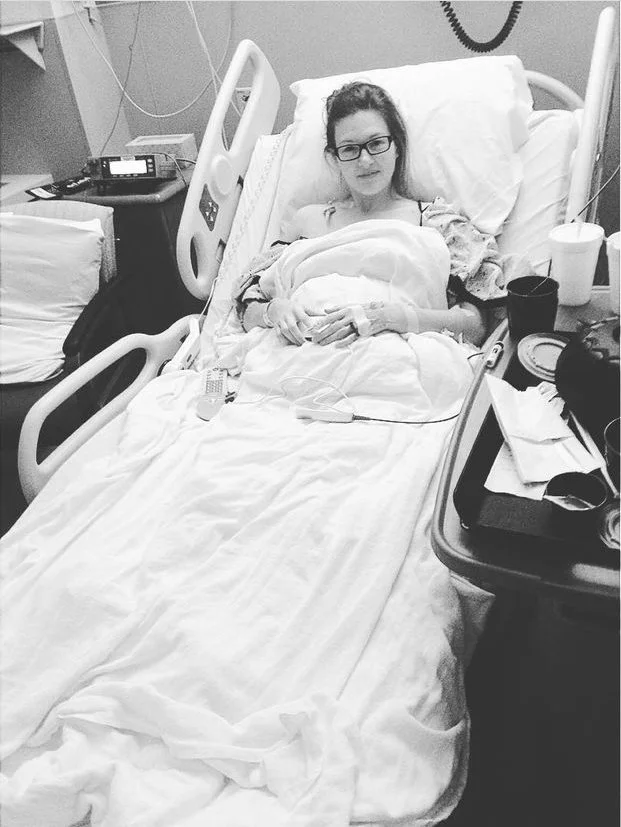
Recovering after abdominal surgery.
I stared back at the doctor. Everyone had swore up and down that the tumor in my abdomen was likely benign, so I had not been expecting any other type of news.
“What about the pain I am still having?” I inquired.
“Well, I am not sure why you are still having pain, you should go back and see GI.” I had already seen GI, the only thing “wrong” they could find was the tumor.
Long story short. I went back to GI, and once again they could not find anything they could help me with. I was left with “unexplained” abdominal pain. And so began my quest to find a solution for my post-surgical abdominal pain.
I started by trying dietary strategies. These changes helped the autoimmune symptoms I had been experiencing at the time but did not make a significant difference in my abdominal pain.
I was a physical therapist working in an outpatient orthopedic clinic. Helping people with pain was what I did. However, we had never been taught to treat abdominal pain. Generally we were taught not to touch the abdomen and that abdominal pain necessitated a physician referral.
I was unsure what I could do to help myself.
The Connection Between the Abdomen and the Pelvic Floor
I started following the breadcrumbs.
The first breadcrumb led me to the pelvic floor physical therapist who worked in my PT clinic. She had been trained in some visceral mobilization techniques and was the first person who touched my abdomen in a therapeutic way.
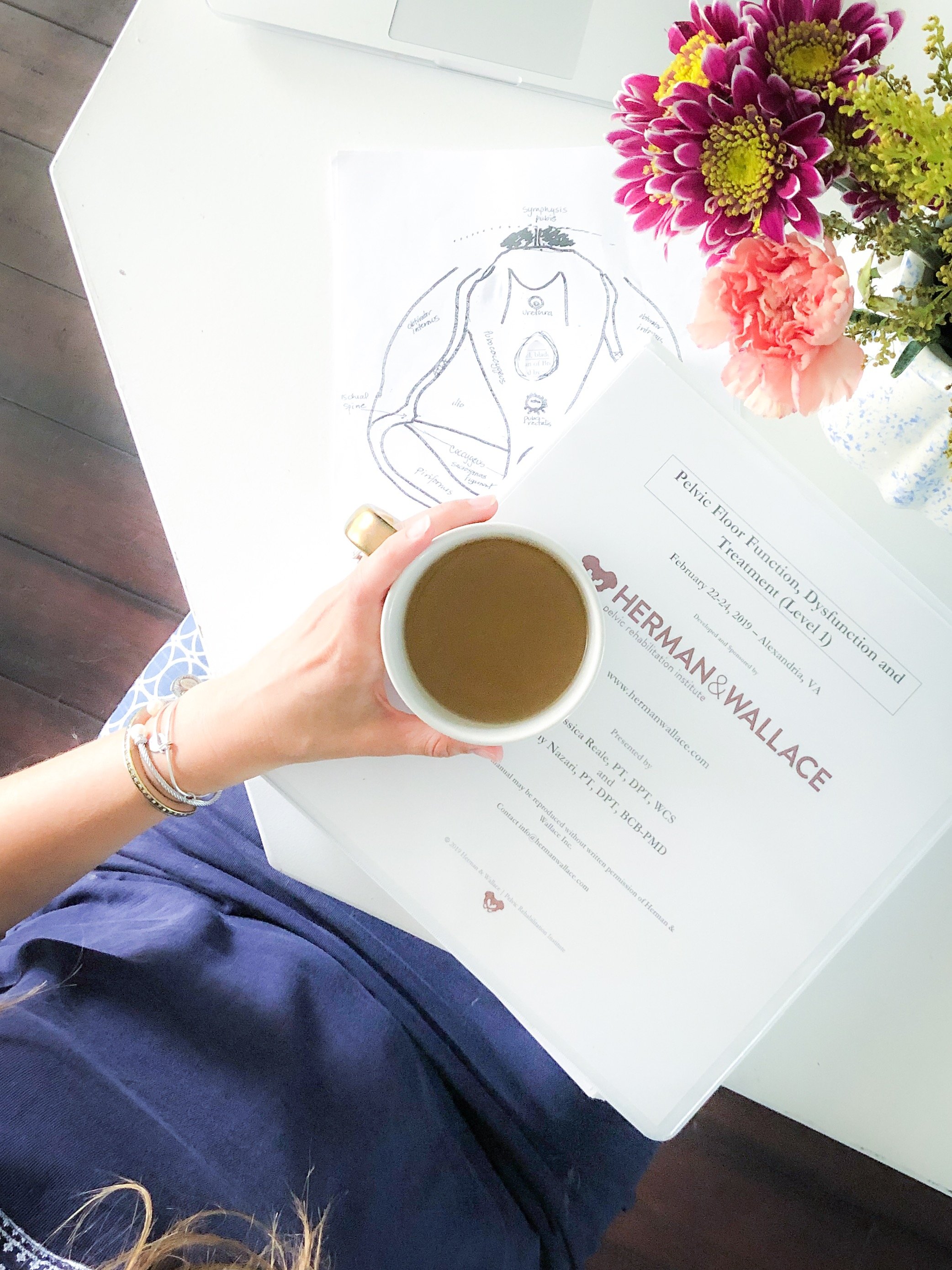
I decided for both personal and professional reasons to attend pelvic floor training.
The training blew my mind.
It was the first time I started to understand that the abdomen and the pelvic floor are intimately connected.
I learned that our abdominal muscles help to moderate the pressure that our daily activities generate in our abdomen. Pelvic floor pathology, such as incontinence and prolapse, often result when we are unable to moderate the pressure well.
Additionally, when our abdomen is tight, we often also carry tightness in our pelvic floor.
The tension created by my scar tissue has resulted in a stiffness in my abdominal wall and had effected its ability to moderate pressure well.
I learned that as a result, I had personally developed a pelvic organ prolapse.
I was honestly devastated. It felt like one more way I was broken.
The solutions for pelvic organ prolapse and pressure management were not made clear during that weekend and I felt like I left with more questions than answers.
However, the information did empower me to find the next breadcrumb.
Hypopressive Exercises for Prolapse
When I returned home from pelvic floor training I began to follow other pelvic floor therapists on instagram.
I had attended the training mostly intending for it to improve my orthopedic understanding of the pelvis. However, pelvic floor care was in demand and I also recognized that if I did not use the skills I had acquired I would likely lose them.

Hypopresive exercises can be effective for pelvic organ prolapse.
I started following other therapists with the hope of learning from them.
I also attended a few physical therapy sessions with a seasoned pelvic PT. Although the sessions were affirming that I did have some pelvic tightness, I did not feel like I was given any solutions that addressed both my prolapse and my tightness. In fact, the treatments given for each seemed to contradict each other. Activation for prolapse, release work for tightness.
It was around this time that I first saw hypopressives in action. One of the therapists that I followed on Instagram was using hypopressives to help reverse her postpartum prolapse. She claimed that it was somewhat “cutting edge” and very effective for treating prolapse.
The theory was that the hypopressive maneuver would decrease intraabdominal pressure, and therefore help with prolapse.
I felt intuitively drawn to it. After all, traditional treatments did not seem to be helping me.
I decided that for both personal and professional reasons I wanted to learn more about hypopressives.
My Low Pressure Fitness Hypopressive Training Experience
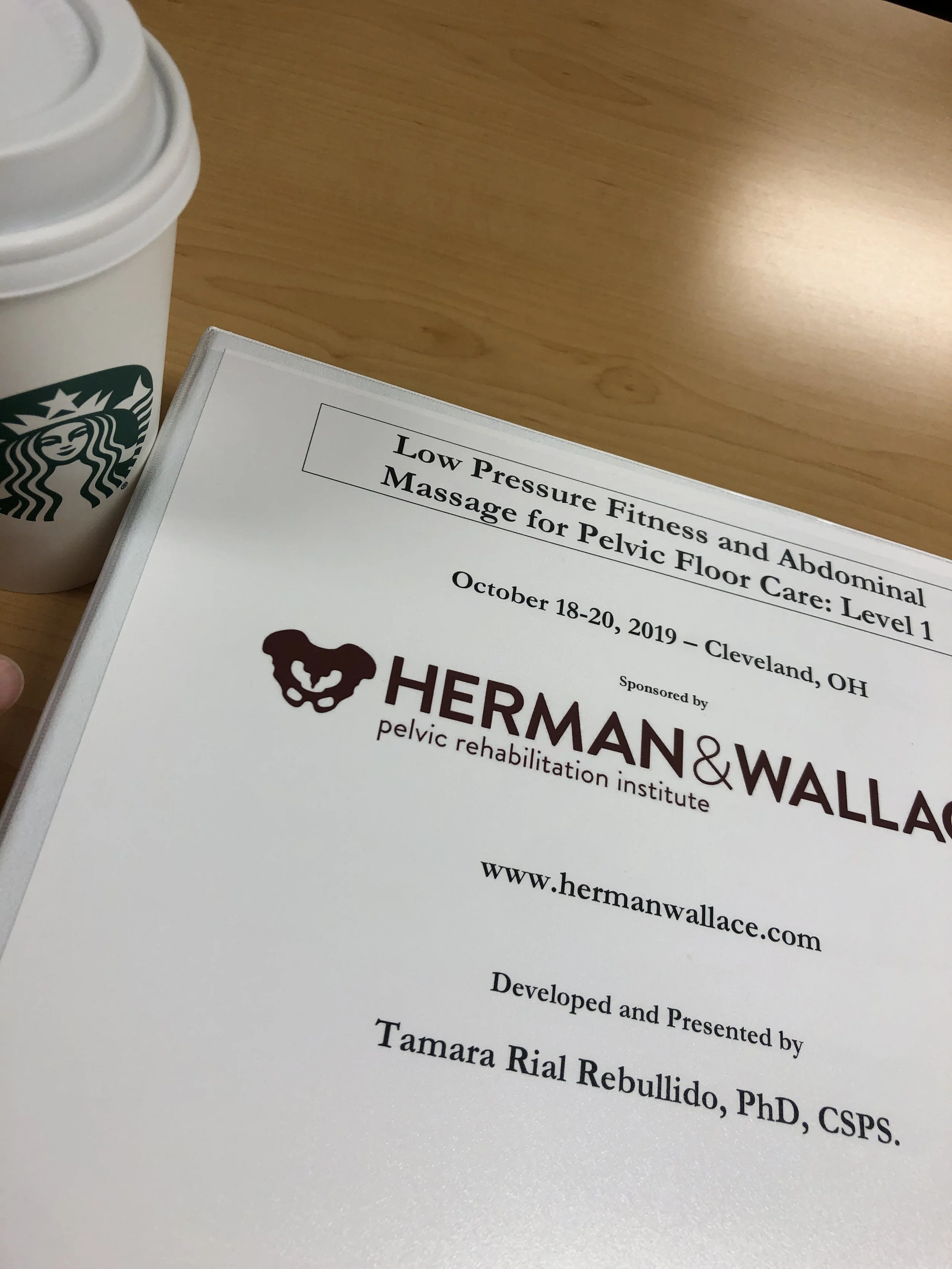
October 2019 I flew to Cleveland to complete the level one Low Pressure Fitness instructor training.
I truly had very little idea what I had signed up for. The training was challenging but incredibly enlightening.
I got answers for so many of the questions that I had left my first pelvic floor training with.
I learned the diaphragm's role in moderating abdominal pressure.
I learned why “belly breathing” can actually be disadvantageous for the pelvic floor.
I learned HOW to address abdominal stiffness.
I learned that traditional core training, such as sit ups and crunches, can be harmful for both the pelvic floor and the abdominal wall.
And for the first time, I felt a bit of relief from my abdominal pain.
And the best part?
I could do it all by myself, I didn’t need anyone else's hands to give me relief.
My Abdominal Surgery Recovery
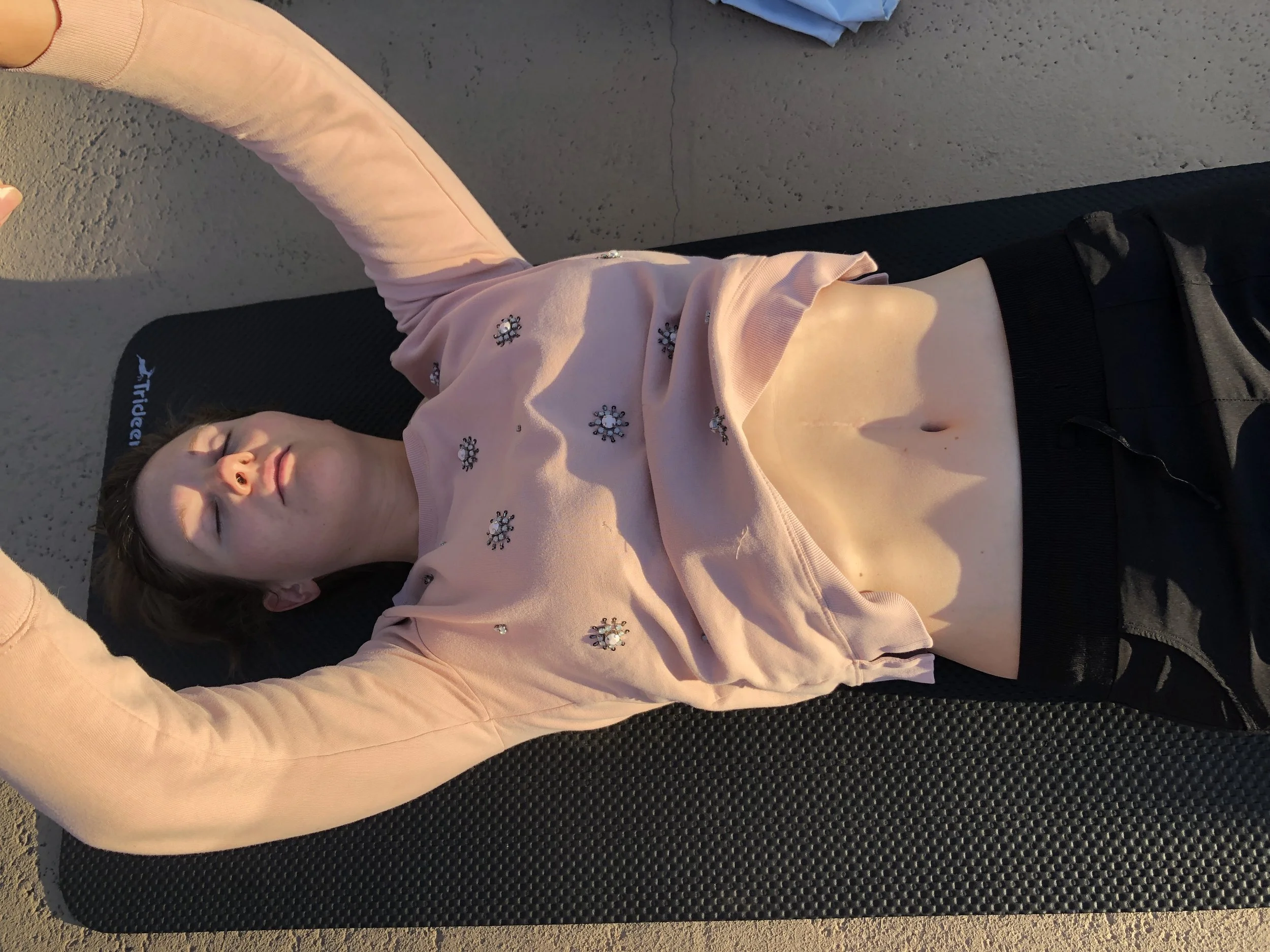
I arrived home full of hope and determination.
I could not properly do a hypopressive maneuver by the end of the weekend training, but I was resolved to master it.
Slowly but surely my ribcage began to open.
My diaphragm moved fully.
My fascia began to align.
And I began to feel whole.
My prolapse lifted.
My pelvic tension eased.
My bladder pain subsided.
And my abdominal pain slowly disappeared.
I then began seeing changes I didn’t expect.
I had longstanding neck and shoulder pain that would often trigger headaches. As I continued to practice I also began to see improvement in these symptoms.
The practice relaxed me and also helped me free my emotions.
I fell more in love with Low Pressure Fitness with every improvement.
Low Pressure Fitness Hypopressives For Pelvic Rehab

I also began applying Low Pressure Fitness into my patient treatment sessions.
The results were incomparable.
Prior to attending the Low Pressure Fitness training I struggled to treat those with the same combination of symptoms that I had: tightness and prolapse, or tightness and leaking.
Low Pressure Fitness worked remarkably for this group of people. My clients frequently had results that they did not expect for prolapse. Many of them had been told surgery was their only option.
Low Pressure Fitness For Abdominal Rehab
I also began to see incredible improvement for postpartum abdominal separation (also known as diastasis recti). Low Pressure Fitness helped to create a functional tension in the midline of the abdomen AND helped to close the gap.
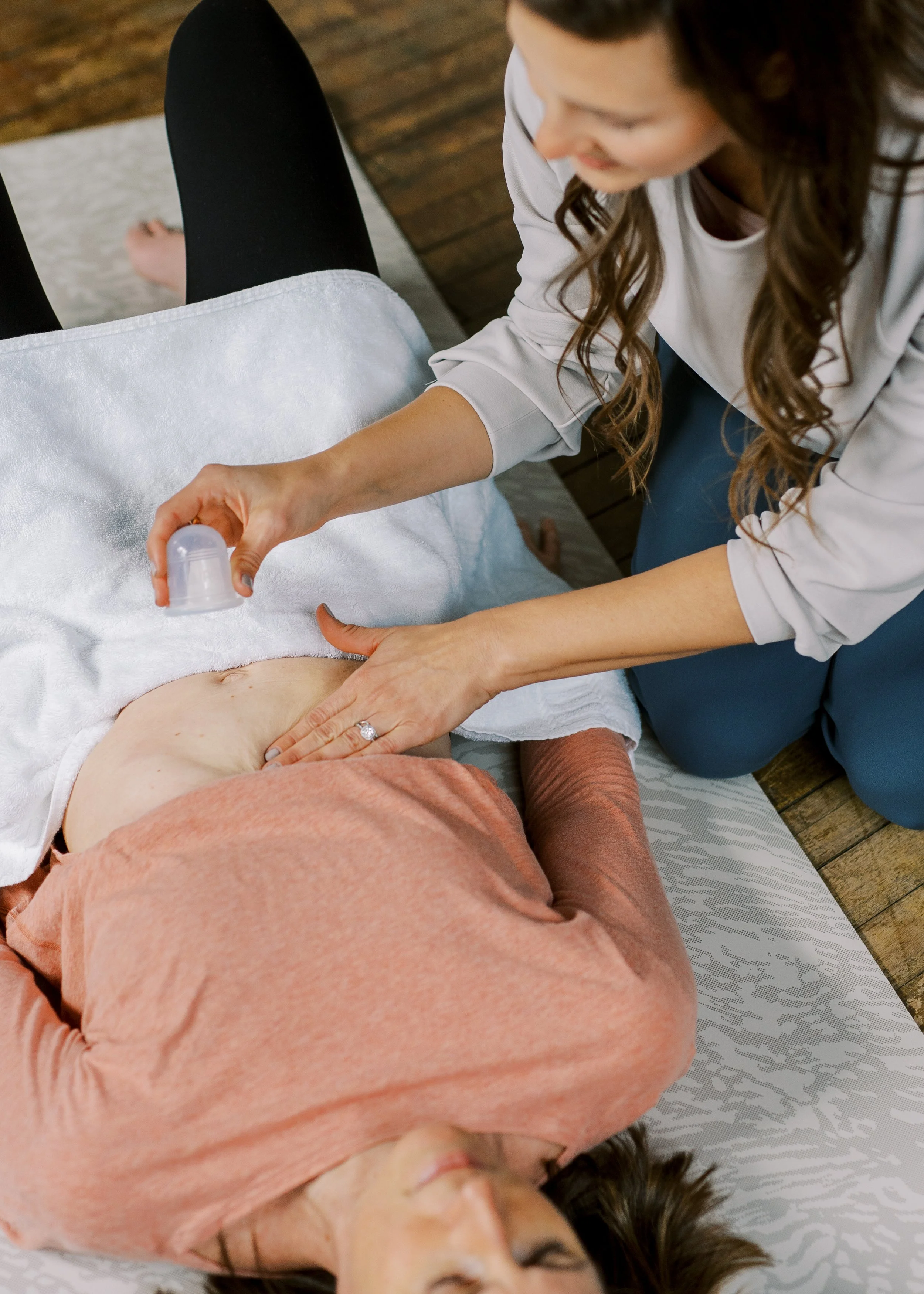
The group of women closest to my heart was those that had undergone various abdominal surgeries. Including, but not limited too, those who had had hysterectomies, c-sections, and surgery for endometriosis. Like myself, so many experienced both a reengagement of their abdominal muscles AND relief from scar tissue with this practice.
Low Pressure Fitness: A Novel Technique
I often saw frustration in my clients who had seen other professionals without relief. They would often ask: Why didn’t they tell me about this?
Truthfully, most people, including many pelvic health professionals, are still not aware that Low Pressure Fitness exists. Part of my mission is to raise awareness that this method is an option. I hope most women do not need to suffer as long as I did.
If you are a practitioner who is curious about Low Pressure Fitness reach out I have a special opportunity to help you know if Low Pressure Fitness is right for you or your clients.
How to Get Started With Low Pressure Fitness Hypopressives
One of the challenges that I faced as a physical therapist was fitting everything that I wanted to teach my clients into 50 minute sessions.
That challenge is what originally inspired me to create Core Shift. Core Shift is my signature introduction to Low Pressure Fitness program. It teaches the method step by step, much like how I would teach my clients. I originally designed it for my clients to help them between sessions at home. However, as I began teaching more online I saw how effective it could be even without live sessions.
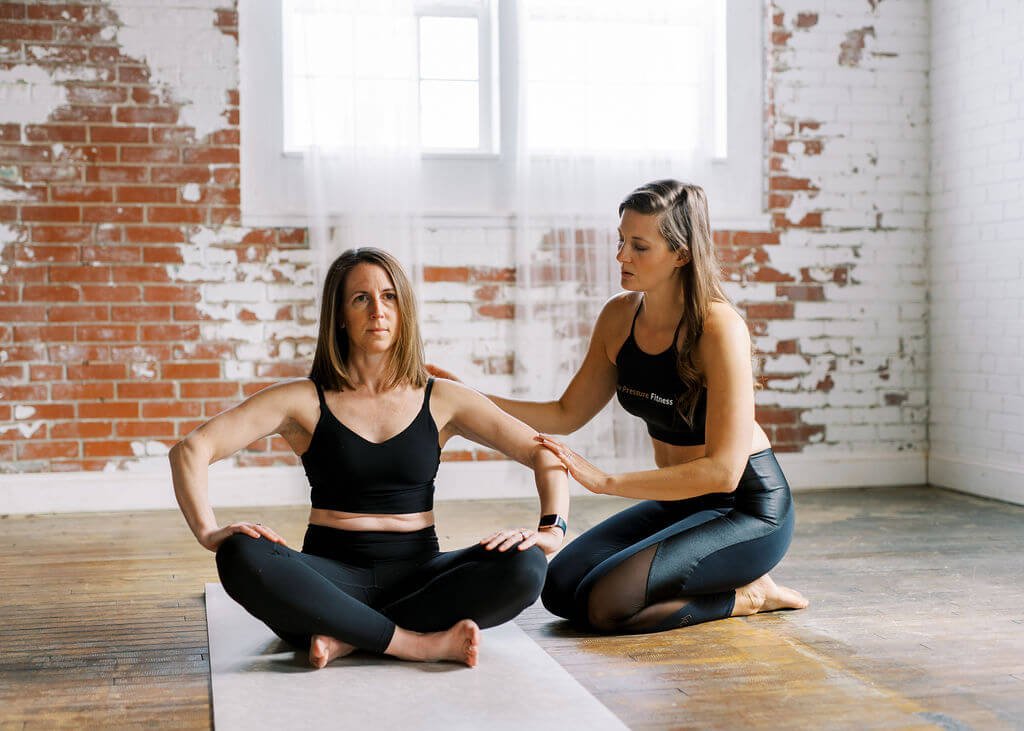
I love the Core Shift program because it is truly comprehensive. As I mentioned earlier, I was challenged by the hypopressive maneuver and it took me a while to fully master it. In this program I assume it will be hard for you too. I give you all the tools to work through any challenges you may encounter. If you are one of the people that learn it quickly, that is wonderful. You can move through the program and establish a practice quickly. But, if you are like me and are challenged, I have your back.
The other option I have for getting started is IGNITE.
IGNITE includes the physical component of Core Shift and combines it with an intention setting practice. The goal of this program is to equip you with both physical strength and a clear vision so that you can build a life you truly love.
There is Hope For Pelvic Prolapse and Abdominal Scar Tissue
I never want anyone to have to live with abdominal pain for years after surgery like I did. I never want women to deal with pelvic organ prolapse because options feel so limited.
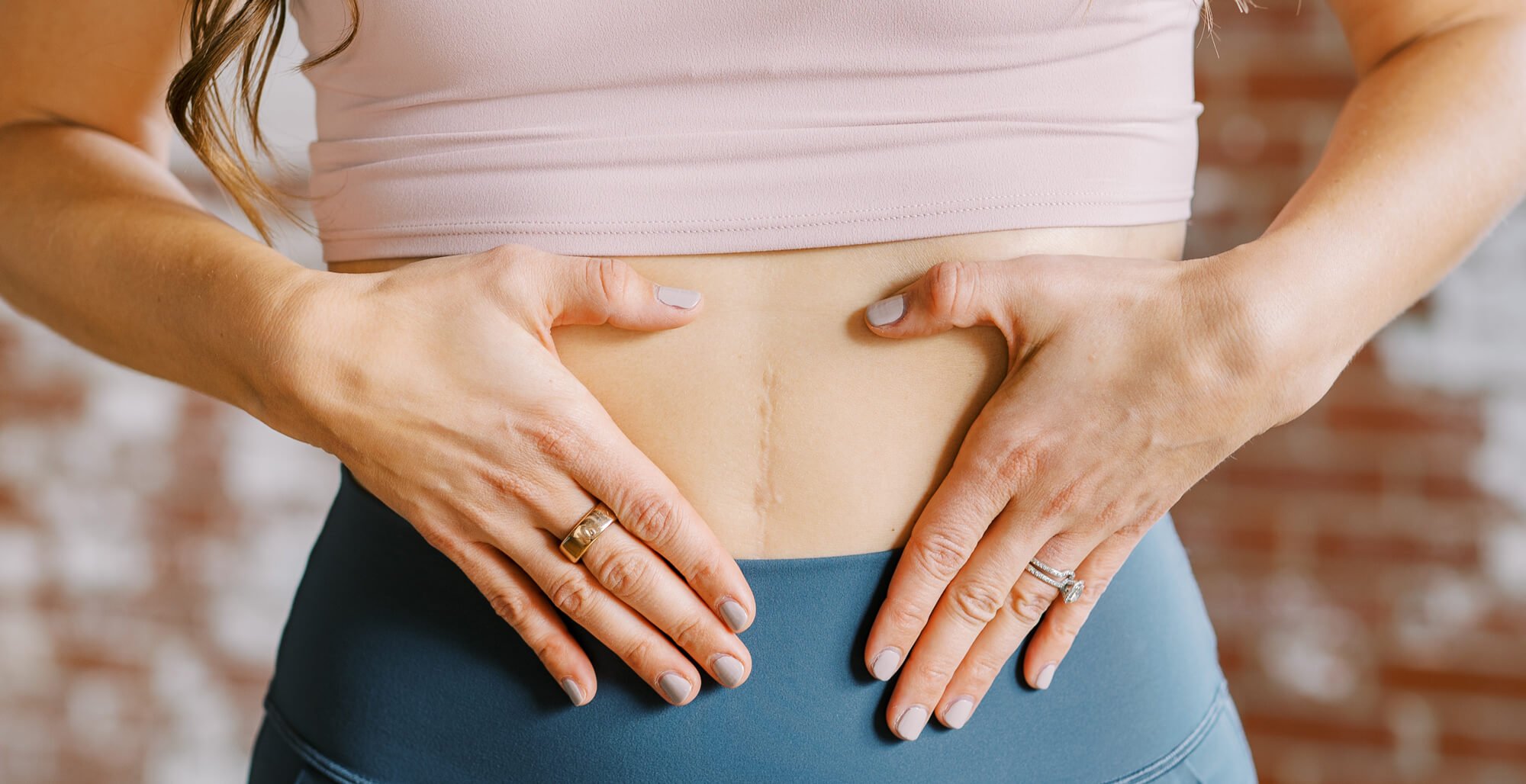
Low Pressure Fitness gave me hope and empowered me to take back my life in these areas.
My hope for The Hypopressive Project is that it empowers other women to do the same.
The mission statement for The Hypopressive Project is to make Low Pressure Fitness known and accessible in the English language. I offer a variety of classes, programs and private sessions. Everything is available individually or you can access the content through membership options.
I hope to see you in class soon!