Body Image, Bathing Suit Season, and Finding a Healthier Standard
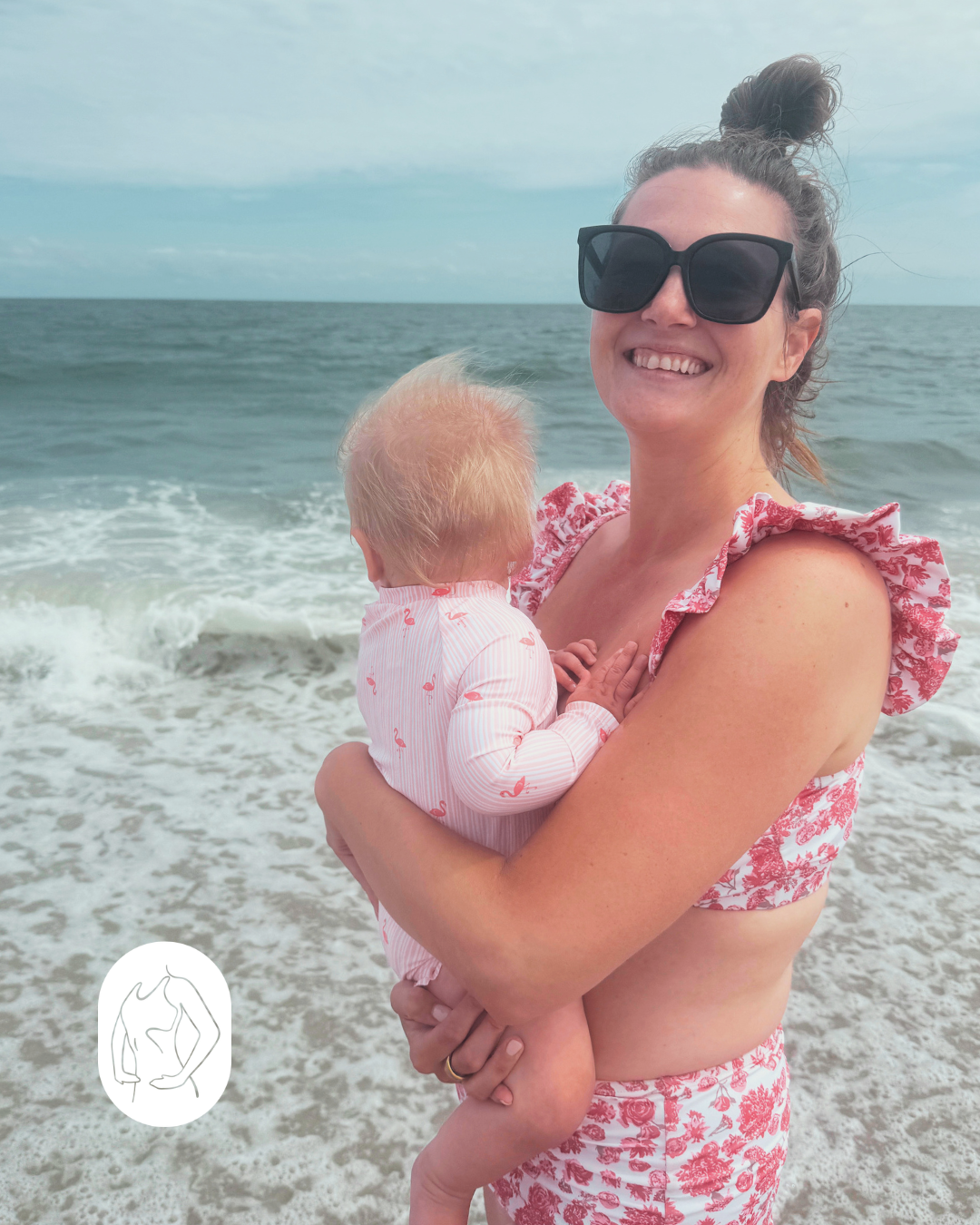
It’s bathing suit season.
…and I have a lot of thoughts.
As a woman that grew up in the 90’s, I'd constantly see mantras like, "Summer bodies are made in the winter," and "Be ready for bathing suit season," often paired with whatever diet or exercise plan was trending at the time.
It was all part of a bigger message about what a body should "ideally" look like. In the '90s, extreme thinness was celebrated, with trends like "heroin chic" reinforcing the idea that smaller was always better.
Skinny was “in” while I was a kid, and it continued throughout most of my teenage years. Society was constantly telling me and other young women to aim for "skinny". So I did. All through my teens and early twenties; pretty much until I got sick. It was then that the last 10 lbs I was constantly trying to lose finally fell off. Not because I had cracked the code, but because it was painful to eat.
Through that experience, I realized that "skinny" was overhyped and very quickly switched my mental compass to being healthy. Feeling good became more important than fitting into a conventional beauty standard.
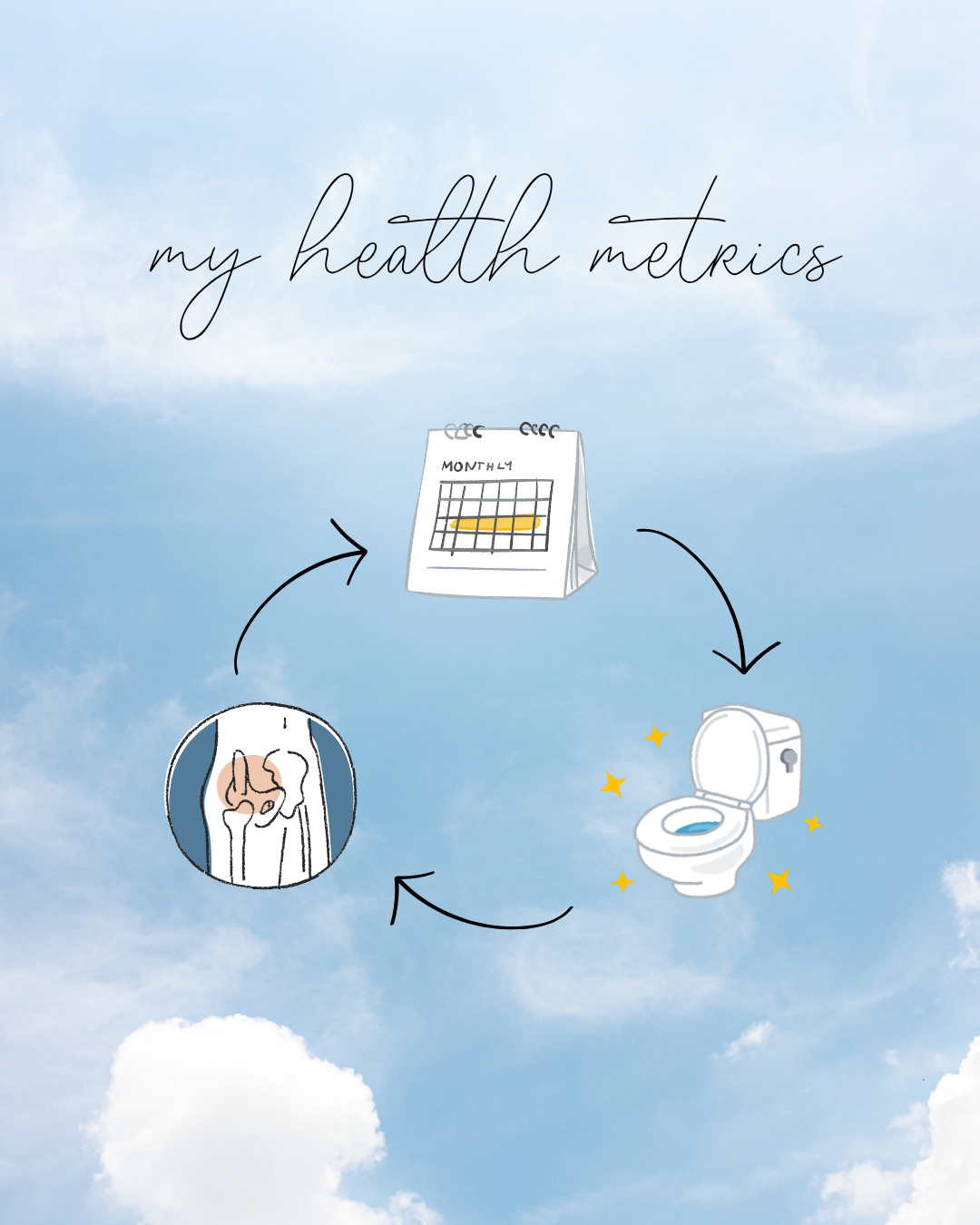
I started using metrics, other than a scale, to give myself feedback about how I was doing.
The biggest measurements that I used (and still use to this day): my period, my poop, and my pain.
Once I began using these metrics, I discovered the craziest thing.
When I was intentional about taking care of myself, when I aimed for healthy, my body composition just kind of settled into a more sustainable place.
I had wasted so much time pursuing "skinny". Oh the chocolate I could have eaten!
All of this brings me to today's aesthetic "ideals."
The wellness world has been on a rollercoaster over the past few years when it comes to weight.
Since the '90s, we've cycled through several different ideals. There was "strong is the new skinny"—which, for many of us (myself included), often translated into overexercising rather than genuine health. Then the conversation shifted toward body acceptance and ideas like Health at Every Size.
And now?
Much to my dismay, it feels like we're right back where we started.
Thinness is once again being celebrated as the ideal. Some have even started referring to the trend as the "starvation aesthetic," drawing uncanny comparisons to the ultra-thin "heroin chic" look of the 1990s.
Full transparency: I struggled with parts of the Health at Every Size movement because, at times, it felt like the conversation moved away from the importance of truly caring for and nourishing your body. I worried that the message was being interpreted by some as an “anything goes, and you can’t say anything” mentality.
But here’s the thing:
I really don’t like “skinny” as the standard. Why?
I would argue that most women can’t do "skinny" in a truly healthy way. I firmly believe there is a range of healthy body weight and each person's ideal healthy body composition is probably a little bit different.
That being said, I have a few naturally "skinny" friends, and here’s the thing: they don't have to work toward being "skinny". It's simply where their bodies land when they take care of themselves. Their bodies aren't a goal to achieve—they're just their bodies.
I personally can’t do “skinny".
If I try, my menstrual cycle disappears instantly (which is a sure sign of the stress of deprivation).
So as a mom of a perfect baby girl, it breaks my heart that "skinny" is back.
I don’t want her beautiful being to waste a minute pursuing an unrealistic and unhealthy body composition. I don’t want her to second-guess her hunger cues. I don’t want her to have to take herself through mental gymnastics just to put on a bathing suit.
Maybe the "starvation aesthetic" phase will pass by the time she’s old enough to understand it. I really hope it does.
Either way, I intend to set a strong example of both health and confidence for her.
I aim to never outwardly criticize my body in front of her.

However, the societal expectations of my youth are deeply ingrained in me and I would be lying if I said my inner critic doesn’t occasionally rear its ugly head when I pick up a bathing suit.
I am under no illusion that she will never hear a woman criticize their body or that she will be totally free from online forces. Forces that advocate the removal of ribs so you can appear snatched, or for drugs that suppress hunger cues, and surgery to put things “back together.”
I hope my example is louder than all the other voices she'll encounter.
Over the years, my own beliefs have shifted, evolved, and eventually settled into a few core truths. I hope I can instill those beliefs in her, not just through what I say, but through the way I live.
You are worthy at any size. In any state of health. You deserve to be here in this world, to have your thoughts heard and considered, to be seen and valued. Full stop. This is in no way contingent on the state of your body.
As females, most of us have a very skewed perception of what a healthy body composition is. If you also grew up in the era of "skinny", what we picture in our mind as “healthy” is likely actually skinnier than a truly healthy and optimal body composition.
There is value in pursuing health. Your value as a person is not contingent on your state of health, however that does not mean there is no value in being healthy! Life is easier and more fun when you feel good. You are more able to be present in your life and pursue the purposes of your soul. Health is personally important to me and something I am intentional about maintaining.
Confidence is mostly an inside job. I honestly believe that mindset plays a huge part in being able to show up confidently in your body. However, I also believe that feeling strong and being able to fit comfortably in your clothing does help. Additionally, neuroscience supports the fact that an upright posture contributes to a positive mood!
It is not vain to want to present yourself beautifully. I could write an entire essay on my journey to this conclusion. But the short version is this: the feminine desire to feel beautiful and present ourselves in such a way is innate. Honoring that desire is part of thriving as a woman.
One of the things I’ve struggled with as a Low Pressure Fitness instructor is finding the balance between acknowledging the potential aesthetic benefits of the practice and avoiding the message that a woman’s body needs to look different in order for her to be worthy.
Because of this, I often shy away from the topic altogether and the temptation to market the practice purely through aesthetic outcomes. I never want someone to believe that the reason they should care for their body is because it needs to change.
The last thing I want is to contribute to the message that “you are not enough.” That your worth is determined by your appearance. Or that you have to look a certain way, or even desire to look a certain way, to belong at The Hypopressive Project.
That is not the message I want to send.
And yet.
There is a growing part of me that wants every woman to know that this is an option for them. An option to help them feel strong, confident, and beautiful. A way to pursue those goals while working with their body instead of fighting against it. A way to support their body through movement and breath, rather than feeling like the only options are restriction, medication, or surgery.
I want to be clear: I am not judging anyone who has pursued other options. There are absolutely situations where medication, procedures, or other interventions are the right choice and can be genuinely health-promoting for an individual.
My concern is not with the choices people make for themselves. My concern is that the potential risks and side effects of these options are often underrepresented, while they are increasingly marketed in ways that reinforce the idea that we are not enough as we are.
Low Pressure Fitness & its Aesthetic Benefits
I have always been a little unsure about how to talk about the aesthetic benefits of Low Pressure Fitness. But recently, I worked with a client who changed the way I think about this conversation. When I first met her, she shared the following things with me:
She was generally uncomfortable with the contour of her abdomen after having 3 babies.
She shared that she was struggling to find clothes that fit her well. She was even considering purchasing a maternity dress for an upcoming wedding because she felt like it might be the only option that would finally “fit right.”
Her first born sometimes asked her if there was still a baby in her belly.
She had tried a relatively popular online postpartum core program with no change in the appearance of her abdomen.
She didn’t have back pain or pelvic floor issues. She was pursuing the program for purely aesthetic reasons.
And yet, there was nothing about her energy that suggested she hated her body. She wasn’t looking for an extreme solution, and she expressed genuine gratitude for the body that carried her through three pregnancies.
She was not questioning her worth as a human, she was clearly grounded in her self worth and consistently demonstrated kindness to herself and those around her. She simply wanted to feel confident in everyday clothing and not “appear” pregnant anymore.
When we first started working together, I encouraged her to take before pictures so that she would be able to appreciate her progress. She shared these with me after 6 weeks of practicing Low Pressure Fitness regularly:
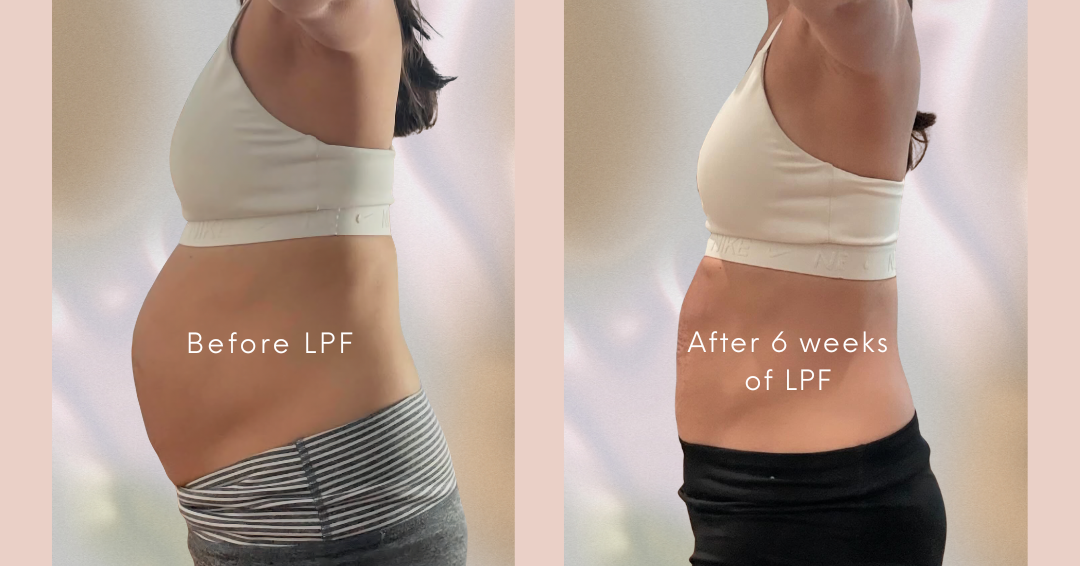
My patient’s results after practicing Low Pressure Fitness Hypopressive Exercise for 6 weeks while postpartum.
These pictures confirmed what I already know. Low Pressure Fitness can be a powerful tool if you are looking to improve the contour of your abdomen. And…
You absolutely can pursue aesthetic goals without diets, drugs, surgery, or traditional core training. You can work with your body, rather than against it. You might not need to change your body as much as you think. Sometimes, what you’re noticing is related to posture, breathing patterns, or the way your body is moving and supporting itself. You might not need more “ab exercises.” You might need a system that helps you reconnect with your body and build strength from the inside out.
If traditional ab training has continued to leave you feeling like you might “look pregnant forever,” I would encourage you to explore a different approach. Low Pressure Fitness might be the tool you’ve been looking for.
How to get started with Low Pressure Fitness.
HYPOPRESSIVE EXERCISE ONLINE CLASSES
I teach several live classes a week. I highly recommend that you start with an “Intro to LPF: Breath” class if you are able!
HYPOPRESSIVE ONLINE COURSES
If live classes simply are not in the cards for you during this season I have 2 different online courses that contain everything that you need to implement Low Pressure Fitness hypopressive exercise.
Core Shift is my original course that walks you through the practice step by step. IGNITE is a 30 day challenge program. Honestly both courses are great and which one you choose is a matter of preference.
THE HYPOPRESSIVE PROJECT ONLINE MEMBERSHIP
If you are looking for a way to support your body through movement, breath, and intentional practice, I would love to invite you to:
The Hypopressive Project All Access Membership.
I created this membership to be a comprehensive and accessible resource where you can learn, practice, and grow your hypopressive exercise journey at your own pace. Whether your goals are improving how you feel in your body, building confidence, supporting your core, or exploring aesthetic changes in a way that honors your body, you are welcome here.
My hope is that this practice helps you feel stronger, more connected, and more confident in the body you already have. I would be honored to have you join me in The Hypopressive Project.
I hope to see you in class soon!